



Swimming for ADHD Children: 5 Proven Ways Water Builds Focus

June 9, 2026

Share this article

Every Child Regulates Differently

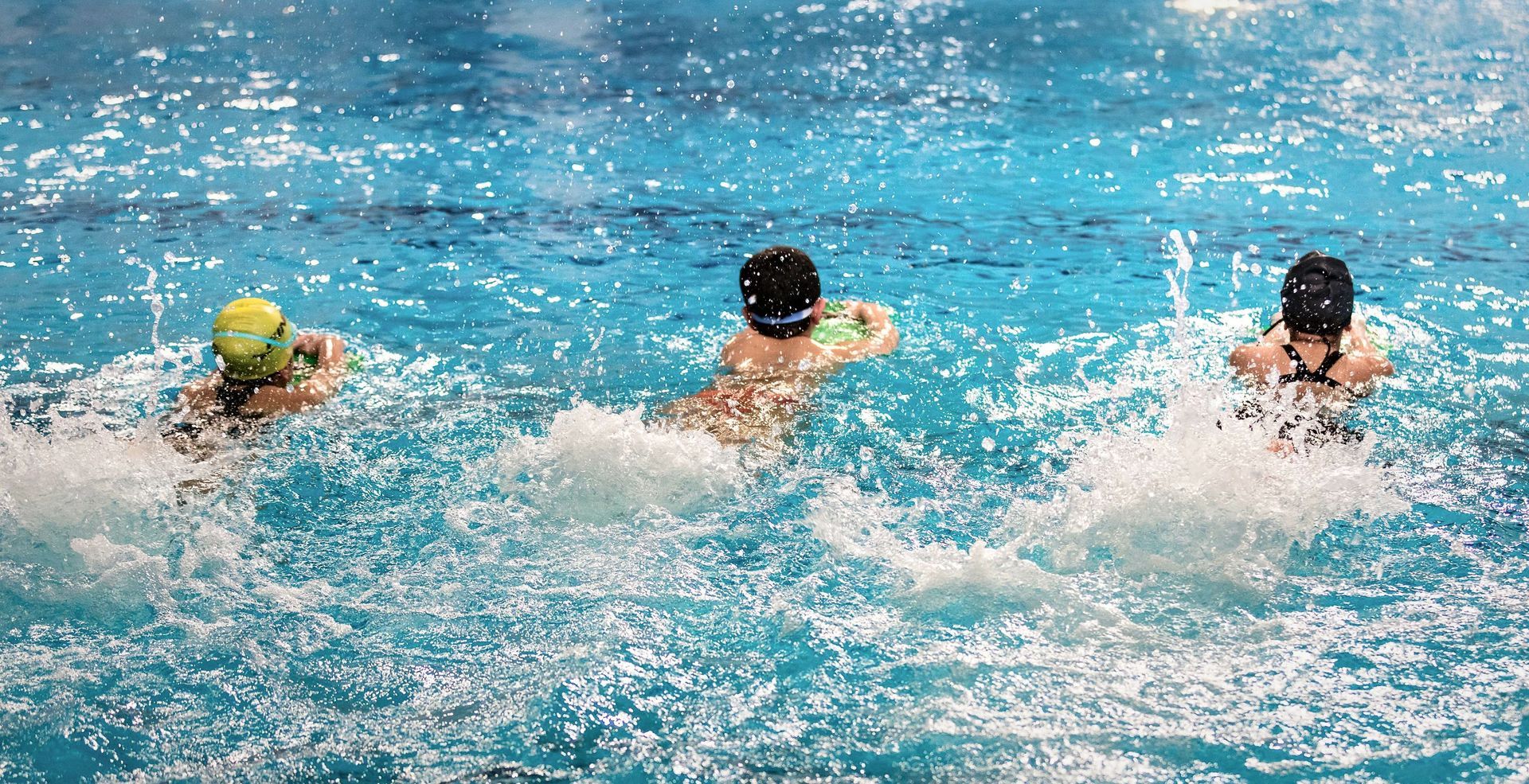
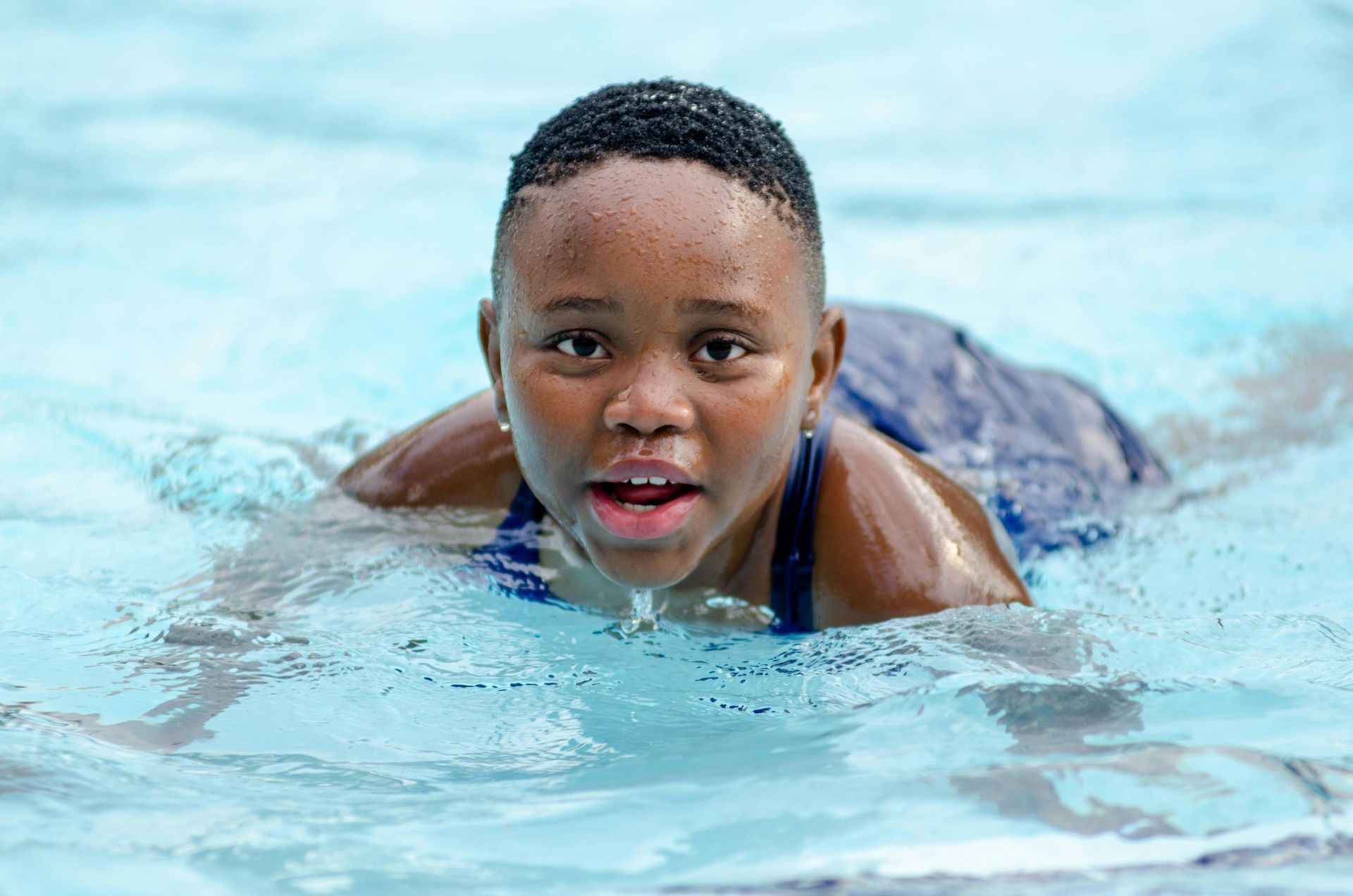
Swimming for ADHD children is one of the most effective ways to build focus, calm, and confidence through movement. Some children need more physical activity before they can sit still or manage big feelings, and for children with ADHD, this need is especially strong.


That does not mean movement is a distraction. It is often the pathway to regulation. When a child moves in a structured way, their brain produces more of the chemicals responsible for attention and emotional control. Physical activity improves focus, reduces restlessness, and strengthens regulation.


Around 7.4% of Australian children aged 4 to 17 live with ADHD, according to the Young Minds Matter survey. Many of these children also experience co-occurring challenges like dyslexia, dyscalculia, or developmental coordination difficulties. Finding activities that support the whole child matters enormously.


What Makes Swimming for ADHD Children Unique

Not all movement is equal when it comes to regulation. Swimming stands apart because it combines several elements at once: full-body movement, water resistance, breath control, and rhythm.


Water naturally slows the body down. A child who feels restless on land often feels calmer in the pool. Hydrostatic pressure provides gentle, even compression across the body, working like a weighted blanket that helps the nervous system settle.


A 2023 network meta-analysis in Frontiers in Neuroscience compared multiple types of physical activity for children with ADHD. Aquatic exercise ranked first for reducing attention problems across all exercise types and produced the strongest gains in cognitive flexibility. These findings suggest that time in the water offers benefits beyond what most land-based sports provide.

Building Focus Through Structured Lessons

Swim lessons give children something they need: clear expectations in a predictable setting. Each lesson follows a routine. Children know what comes next. They listen to one instruction, complete a task, and move on to the next step.


This structure mirrors the kind of direct, explicit instruction that helps children with learning difficulties succeed in the classroom. A child in the pool practises listening, following sequences, and staying on task. Over time, these skills strengthen through repetition.


Small class sizes in quality swim programs also give children manageable social interaction. Aquatots' school-aged swimming lessons are built around this principle, grouping children by ability rather than age so every swimmer works at the right level. Unlike team sports where group dynamics can overwhelm executive function, the pool provides a calmer learning environment.

Emotional Regulation and Breath Control

Breathing sits at the heart of swimming. Children learn to coordinate their inhale and exhale with each stroke. They practise holding their breath underwater and timing their breathing during laps.


This rhythmic breathing activates the parasympathetic nervous system, the body's natural calming response. For children who often feel overwhelmed or frustrated, this process helps reduce tension and build a sense of control. A 2022 randomised controlled trial showed that swimming for ADHD children can meaningfully improve behavioural regulation after just 12 weeks of structured sessions.


Facial immersion in water also triggers the mammalian dive reflex. This response slows the heart rate and activates the vagus nerve, producing a calming effect. No land-based activity replicates this in the same way.

Confidence Through Progress

Children with ADHD often experience repeated setbacks in environments that reward sitting still and following complex instructions. Swimming offers something different. Progress is visible, individual, and achievable.


A child who masters floating, then kicking, then a full stroke length builds evidence of their own capability. These small wins add up. Research shows children with ADHD have moderate self-esteem deficits compared to peers, so these moments of success carry real weight.


Swimming also removes comparison from the equation. Children measure progress against their own personal bests rather than competing against classmates, and they begin to trust themselves more. Aquatots, a Canberra swim school, published a comprehensive drowning and water safety report highlighting how structured programs build both safety skills and lasting confidence.

Supporting the Whole Child

Swimming does not "fix" ADHD. But it helps children feel calmer, focus longer, and succeed in a space built around their strengths. Every stroke, every breath, and every small milestone adds up.


If your child has ADHD or you have noticed regulation challenges, a structured swim program can be a powerful place to start. At Canberra Learning and Development Centre, we understand every learner is different, and we are here to help your child find their rhythm.

Recent Posts

April 20, 2026
Dear Parents and Caregivers, We understand that rising living costs and increasing financial pressures are affecting many families, and we want to reassure you that we are here to support you during this time. At CLDC, our priority is to ensure that students can continue receiving the learning support they need, even if circumstances change. We can work with you to explore other options, including moving to online lessons. Lessons can be split between face to face one week and Zoom the next week, as another option, if that helps reduce travel costs. In addition, if our child’s school is amenable to doing their lesson over Zoom during school time, we would be happy to liaise with them. Schools are not really equipped for this on a larger scale but may be accommodating given the current circumstances. Our aim is to further reduce the burden of travel and make ongoing support more accessible for families. We strongly believe that maintaining continuity—even in smaller or adjusted ways—can make a meaningful difference to your child’s learning. Please don’t hesitate to speak with us if you would like to discuss options. We are here to help and will always aim to find a solution that works for your family. Kind regards, Marcelle Sternbeck Director Canberra Learning and Development Centre
